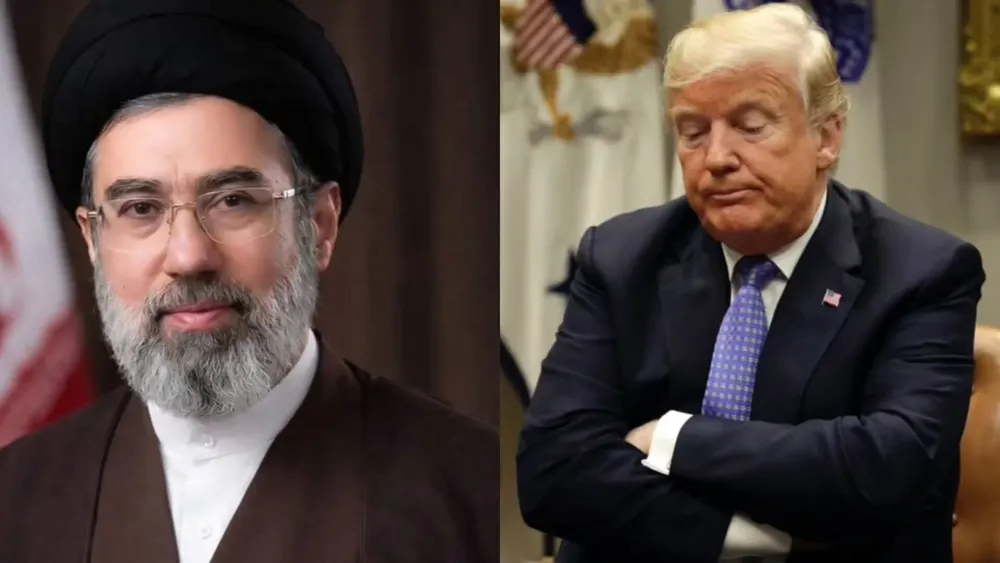
US-Iran Tensions and Strait of Hormuz Blockade
Tensions between the US and Iran are escalating, with Iran demanding the US lift its naval blockade and compensate for war damages to reopen the Strait of Hormuz, leading to global oil price spikes and concerns about a protracted conflict.
Why this is news
⚡ Counters the mainstream narrative — Mainstream news reports 'Iran says no progress on reviving interim peace deal with US' and 'Iran could prolong war to outlast Trump, IRGC adviser says'. While the latter touches on the 'prolonging war' aspect, the social signal from Iran directly attributes this strategy to the Iranian government and adds the specific detail of Tehran copying Ukrainian drone tactics against US F-15s, which is not present in the news and complicates the narrative of mere stagnation in peace talks.
Quorum · collective opinions
US-Iran Tensions and Strait of Hormuz Blockade
First report 21h agoLast update 21h agoThe US is blamed for initiating an unnecessary war with Iran, leading to high gas prices, economic instability, and a protracted conflict, with some criticizing Trump's handling of the situation.
Iran asserts control over the Strait of Hormuz, stating it will remain closed until its conditions are met, and believes it dictates the war's duration, potentially prolonging it until Trump leaves office.
Donald Trump claims the US has total control over the Strait of Hormuz, despite ongoing conflict, and faced a credible Iranian assassination threat that prompted extraordinary security measures.
US soldiers on the USS Abraham Lincoln are reportedly complaining about poor conditions and describing the aggressive military campaign against Iran as the worst mission ever, with some even considering desertion.
Talks between Iran and the US on an interim peace deal remain mired in stalemate, with Iran reorganizing its military for a protracted regional conflict and hardliners seeing a shift against negotiations.
iWitness comments
No comments yet — be the first to weigh in.