Strait of Hormuz Tensions and Diplomatic Efforts
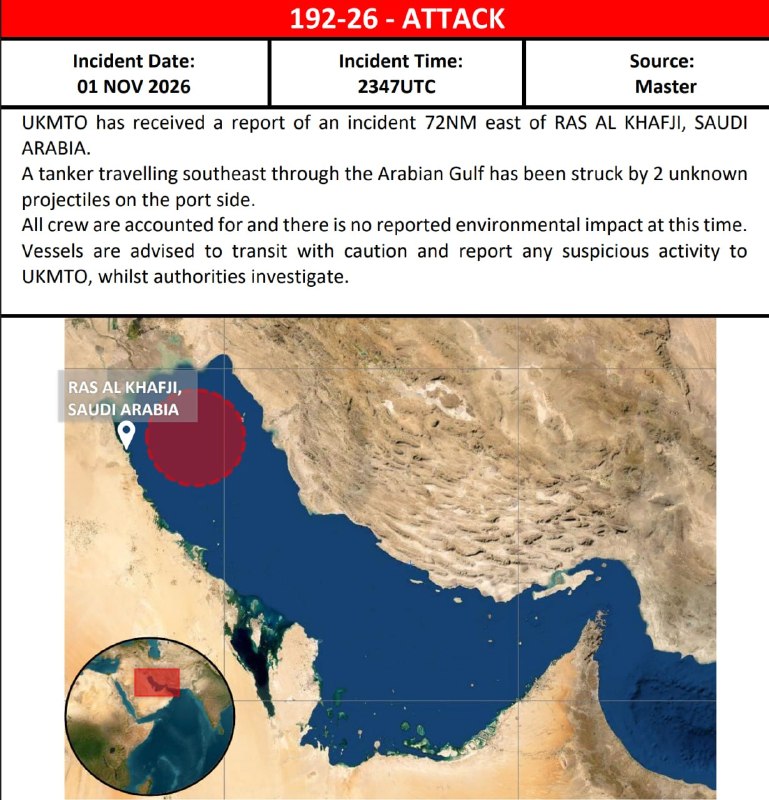
The Strait of Hormuz is experiencing renewed tensions with reported attacks on oil tankers, while diplomatic efforts, including mediation by Qatar, are underway to de-escalate the situation.
Background
The Strait of Hormuz, a critical global shipping lane, has been a flashpoint for decades due to geopolitical rivalries and control over oil transit. Various regional and international actors, including major powers and Gulf states, are involved in maintaining or challenging the status quo, impacting global energy markets and security.
Quorum · collective opinions
Geopolitical Tensions and Military Posturing in the Strait of Hormuz
First report 1h agoLast update 47m agoIran's aggressive naval posture and deterrence doctrine significantly increase the risk of miscalculation and direct confrontation in the Persian Gulf.
Geopolitical Flashpoints in the Strait of Hormuz
First report 1h agoLast update 46m agoA surge in tanker activity in November 2026 is noted as a cause for geopolitical flashpoints in the Strait of Hormuz, indicating heightened regional instability.
There are concerns that military actions or conflicts involving Iran could lead to the closure of the Strait of Hormuz, impacting global trade and fuel prices.
Strait of Hormuz Tensions and Diplomatic Efforts
First report 3h agoLast update 1h agoIran denies targeting civilians or civilian infrastructure, while CENTCOM disputes these claims, citing recent attacks on mariners and neighboring countries.
Iran has outlined a plan for the Strait of Hormuz reopening, contingent on the US lifting its blockade on Iranian ports, as part of ongoing mediation efforts.
The closure of the Strait of Hormuz is seen as a potential strategic objective of attacks, highlighting energy market risks.
iWitness comments
No comments yet — be the first to weigh in.